
Hey disc golfers! Ever wondered how much a disc’s plastic really matters? We’re not just talking about feel in the hand, but actual performance differences on the course. I recently conducted a controlled experiment to delve into this very question, focusing on the popular Mako3. We’re talking distance, stability, and everything in between. Get ready for some data-driven disc nerdery!
The Setup: Isolating the Plastic Factor
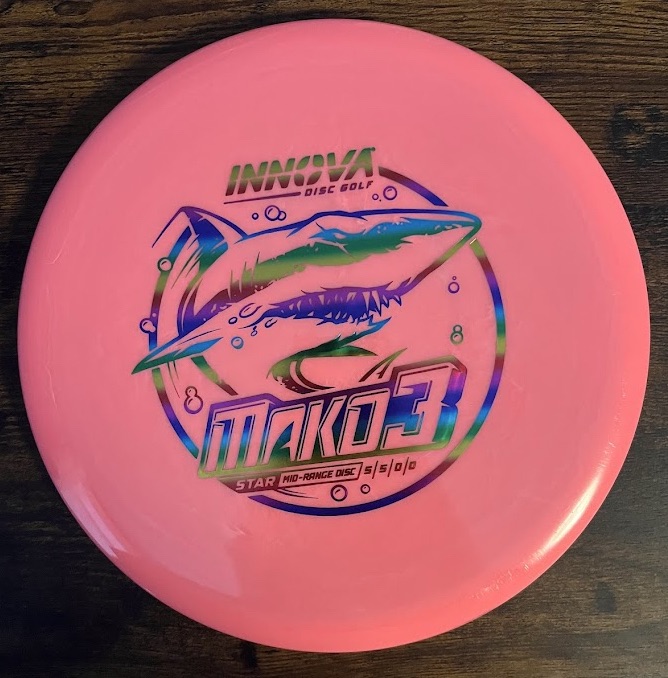
To truly understand the impact of plastic, we needed a controlled environment. We selected four Mako3 discs, each in a different plastic type: DX, Star, Champion, and Halo Star. Crucially, the weight of each disc was kept consistent. This allowed us to isolate the plastic as the primary variable influencing flight characteristics. We wanted to eliminate as many external factors as possible to get a clear picture of what each plastic brings to the table.
The testing ground was a field in Harrison, NY, on a brisk February day. The temperature hovered around 24°F, and a northwest wind blew at approximately 11 mph. While we aimed for consistent conditions, the wind presented a natural challenge, one that disc golfers are all too familiar with. We’ll discuss the wind’s potential influence on the results later.

Our testing procedure involved a single thrower to minimize variations in throwing style. Each disc was thrown four times in a randomized order. This randomization helped to mitigate any potential biases or learning effects that might occur during the testing process. We used a laser rangefinder to precisely measure the distance of each throw. Beyond distance, we also recorded the lateral deviation of each throw, measuring how far left or right of a designated center line the disc landed. This lateral deviation provides crucial information about the disc’s stability and its tendency to turn or fade during flight.
The Results: Unveiling the Differences
Now for the data! Here’s a breakdown of the average distances achieved by each plastic type:
| Plastic | Average Distance (ft) |
| DX | 205.6 |
| Star | 235.0 |
| Champion | 208.4 |
| Halo Star | 225.8 |
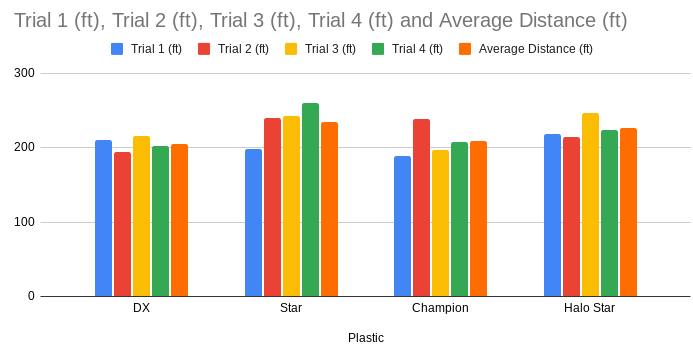
The results are striking. The Star plastic demonstrably outperformed the other plastics in terms of average distance. It outflew the DX by nearly 30 feet, the Champion by over 26 feet, and even the Halo Star by a noticeable 9 feet. This suggests that the Star plastic’s composition and molding process contribute significantly to enhanced glide and potentially reduced drag during flight. The Halo Star also achieved a respectable distance, placing second overall. The DX and Champion plastics, while not reaching the same distances, still offer unique flight characteristics that we’ll explore.
Beyond distance, the lateral deviation data provides valuable insights into disc stability:
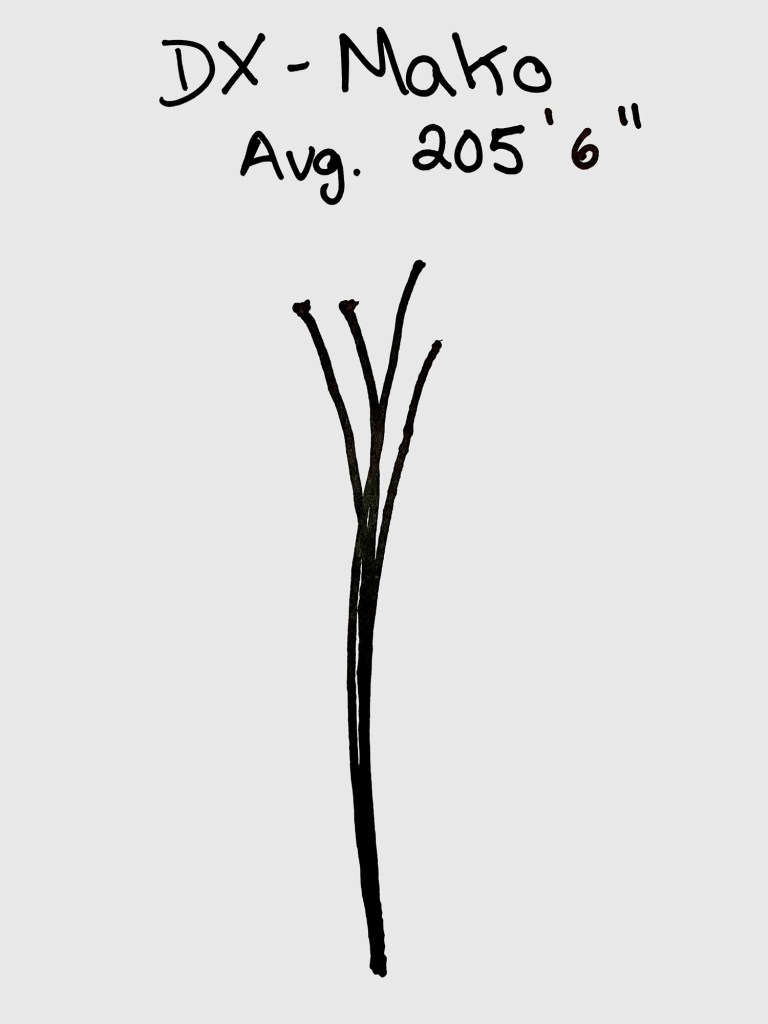
- DX: This plastic exhibited the most balanced lateral deviation. Throws finished both left and right of the center line, indicating a more neutral flight path and greater resistance to turning.
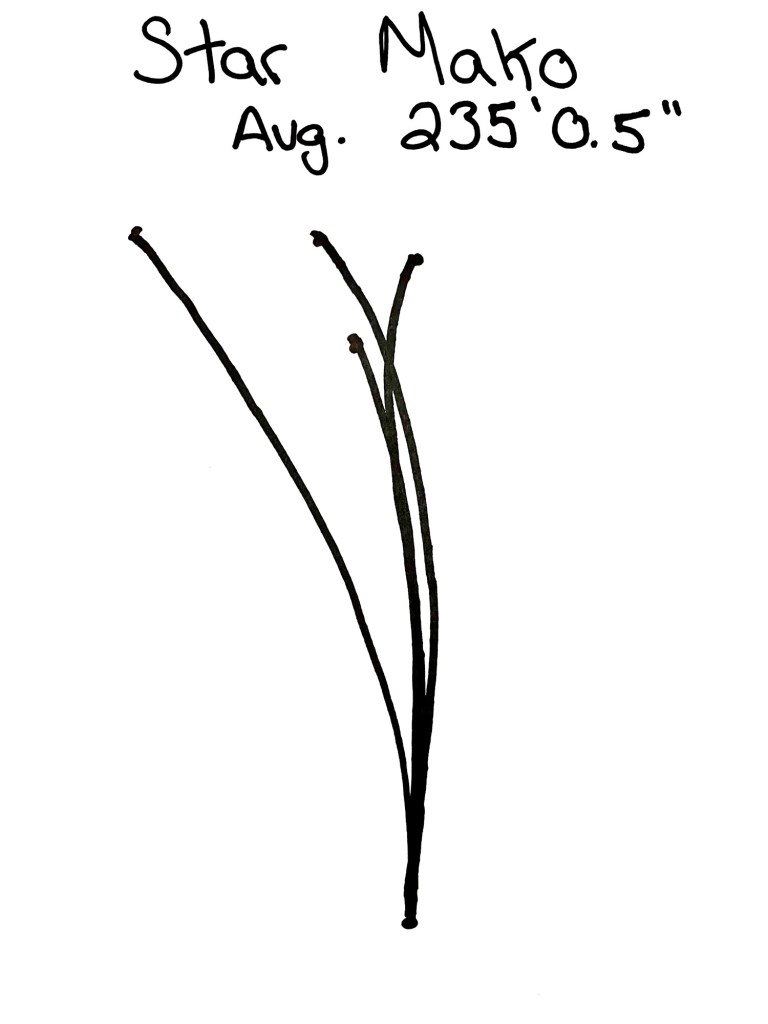
- Star: The Star plastic showed a tendency to finish to the left of the center line. This suggests a greater susceptibility to turn, potentially due to its inherent flight characteristics or the influence of the wind.
- Champion: The Champion plastic presented a mixed bag of lateral deviations. Throws finished both left and right, and some even landed close to the center line. This suggests that while it might not have a consistent turn like the Star, it could be more sensitive to variations in throwing technique or wind gusts.
- Halo Star: Similar to the Star, the Halo Star also showed a tendency to finish to the left. However, the degree of turn seemed slightly less pronounced than the Star, hinting at potentially enhanced stability.
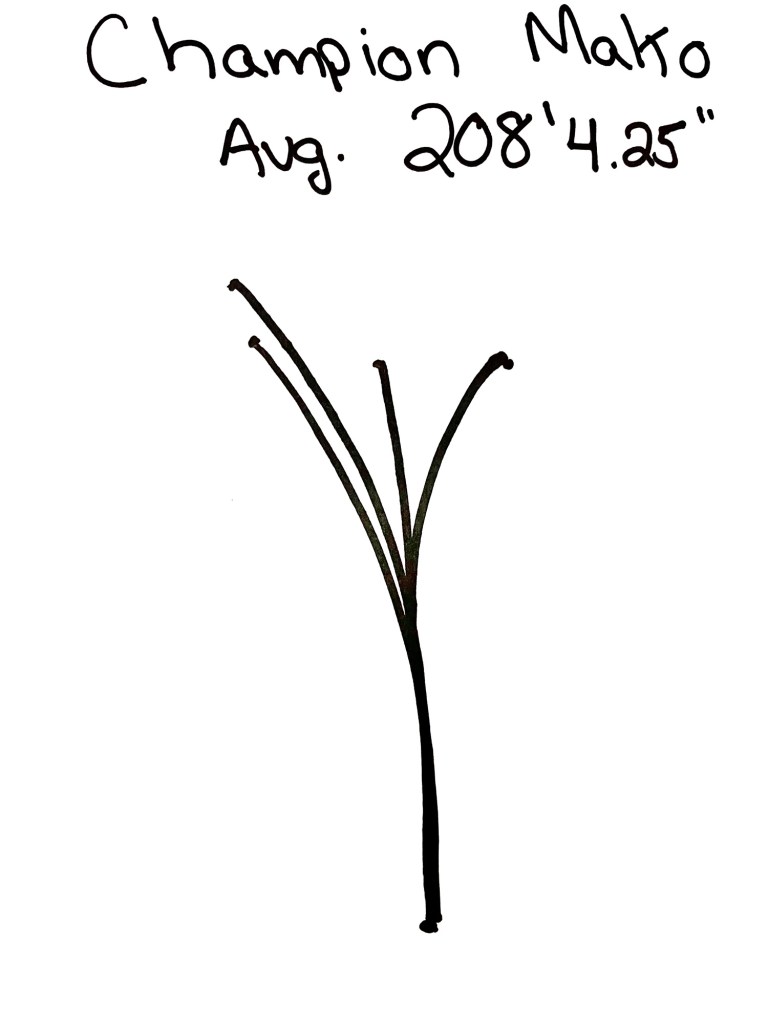
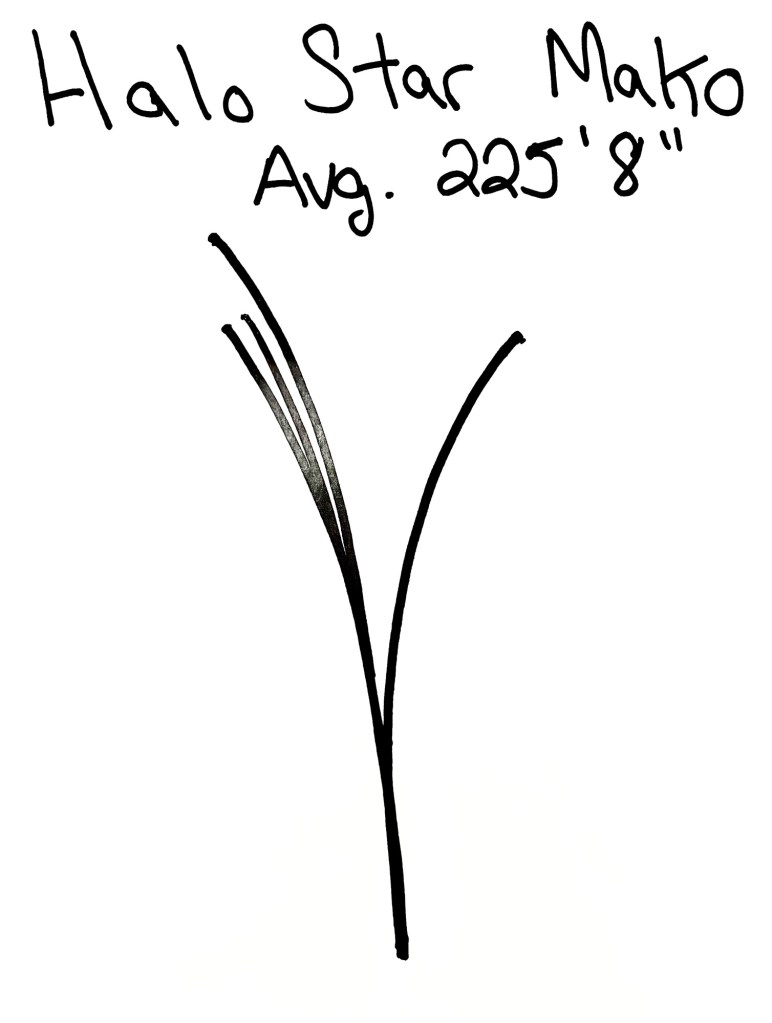
Windy Business: A Force to be Reckoned With
The 11 mph northwest wind undoubtedly played a role in the observed lateral deviations. The tendency for the Star and Halo Star plastics to turn left could be attributed to the wind impacting the disc’s flight path, particularly during the later stages when the disc’s speed decreases. The DX plastic’s more neutral behavior suggests that its design and stability might offer greater resistance to wind influence. It’s crucial to acknowledge the wind as a potential confounding variable in this experiment.
Plastic Power: Decoding the Differences
The variations in performance between the plastics can be attributed to their unique material compositions and manufacturing processes. DX plastic is typically a baseline plastic, known for its grip and affordability. However, it’s often less durable and may offer less inherent stability compared to premium plastics. Star plastic is a premium blend, prized for its durability, grip, and enhanced glide. Champion plastic is a very durable, overstable plastic, designed to resist turning and provide a strong, predictable fade. Halo Star blends Star plastic with a micro-bubble additive, resulting in enhanced grip and a reputation for a more stable flight compared to standard Star plastic. These differences in material properties directly influence the disc’s flight characteristics, including its speed, glide, turn, fade, and overall stability.
What Does It All Mean? Practical Implications for Your Game
So, what can we glean from this data? How can it help you choose the right disc for your game?
- Star: The distance king! If you’re looking to maximize distance on open fairways, the Star Mako3 is a strong contender. However, be mindful of its tendency to turn, especially in windy conditions.
- DX: The straight shooter. The DX Mako3 shines when accuracy and control are paramount. It’s an excellent choice for beginners and for those precision approach shots where staying on the line is crucial.
- Champion: The reliable workhorse. The Champion Mako3 provides a balance of distance and stability. It’s a good all-around option for various shots, particularly when you need a predictable fade at the end of the flight.
- Halo Star: The controlled bomber. The Halo Star Mako3 offers a blend of distance and enhanced stability. It’s a good choice for players who want more control than the Star offers while still maintaining respectable distance.
The Fine Print: Limitations and Future Directions
While this experiment provides valuable insights, it’s essential to acknowledge its limitations. The wind, while a real-world factor, introduced a degree of variability that’s difficult to completely control. Human error in throwing, even with a single thrower, is always a possibility. Four throws per plastic, while a good starting point, could be expanded for greater statistical power.
To address these limitations, future research could be conducted in a controlled indoor environment, eliminating the influence of wind. Increasing the number of trials per plastic would also improve the robustness of the data. Furthermore, incorporating technology to measure release velocity and spin rate would provide a more comprehensive understanding of the factors influencing disc flight.
We’re also excited to explore the impact of temperature on disc flight characteristics in a future experiment. We hypothesize that higher temperatures may affect the plastic’s flexibility and potentially alter its flight properties. This research will add another layer of understanding to the complex interplay between plastic, environment, and disc performance.
Final Thoughts: Choosing the Right Tool for the Job
This experiment offers a glimpse into the fascinating world of disc flight dynamics. Choosing the right plastic is a crucial element of disc golf strategy. By understanding the nuances of how different plastics perform, you can make informed decisions on the course and optimize your game for success. Whether you’re a seasoned pro or just starting out, taking the time to learn about your equipment will undoubtedly pay dividends in your disc golf journey.
What are your favorite plastics and why? Share your insights and experiences in the comments below! We’d love to hear from you.
 Blue Jay Disc Golf - Flight Science
Leave a comment